




Review of the Xiaomi 17 Ultra
A delicate balanceLess camera, more phone, but still incredible
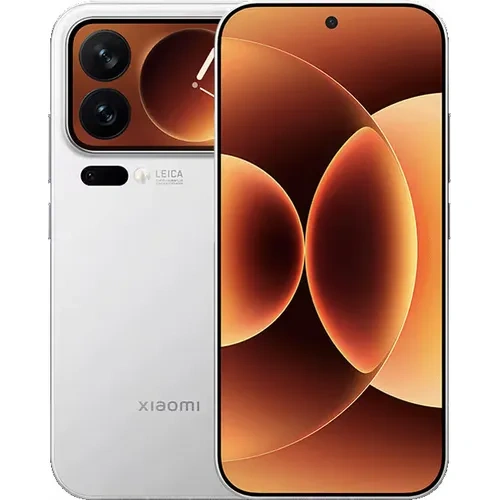
Xiaomi’s flagship line of phones has arrived, and while the fancy Pro variants with a rear display are not available in the West, the Ultra once again strives to be the best photography phone available.
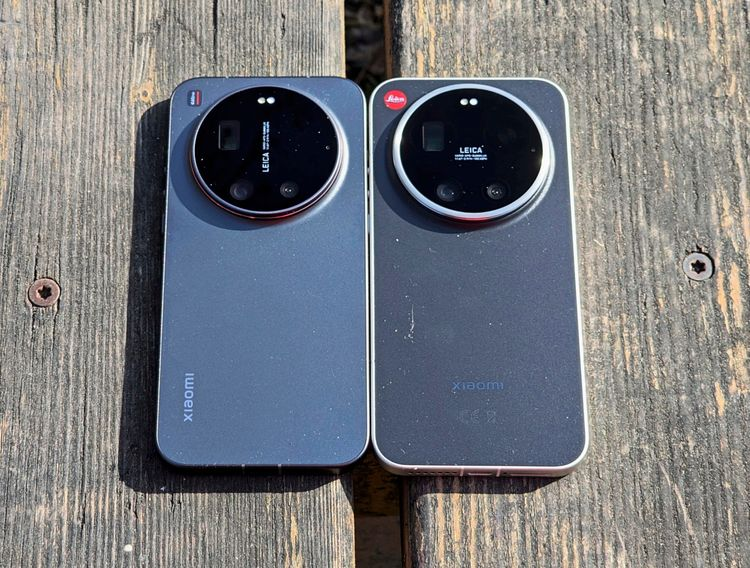
This year, the device will be available in two slightly different formats: an Ultra and a new variant known as the “Leica Leitzphone powered by Xiaomi.” The 17 Ultra is a more “standard” Ultra choice because the latter is an even more expensive phone.
One of the primary substitutes for devices like the Samsung Galaxy S26 Ultra, Google Pixel 10 Pro XL, and Oppo Find X9 Ultra is the Xiaomi 17 Ultra, which is still being co-developed with Leica.
Design & Build
More phone, less camera
New hues that are lighter and thinner
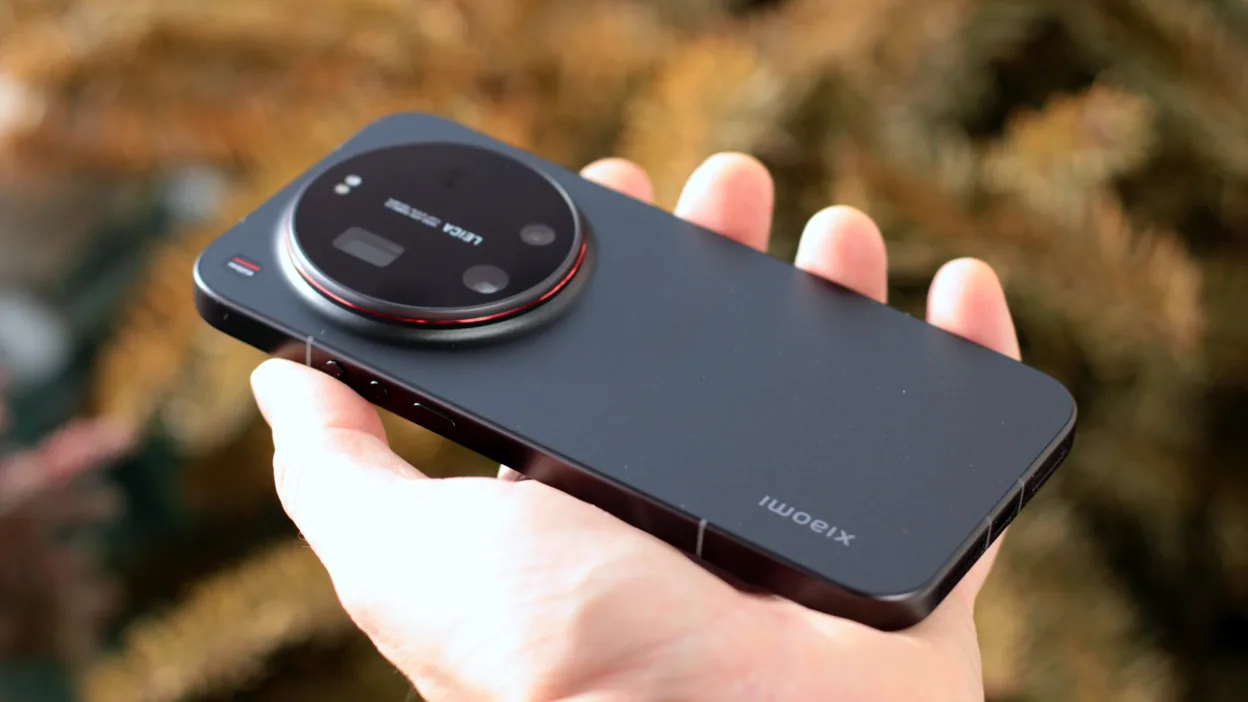
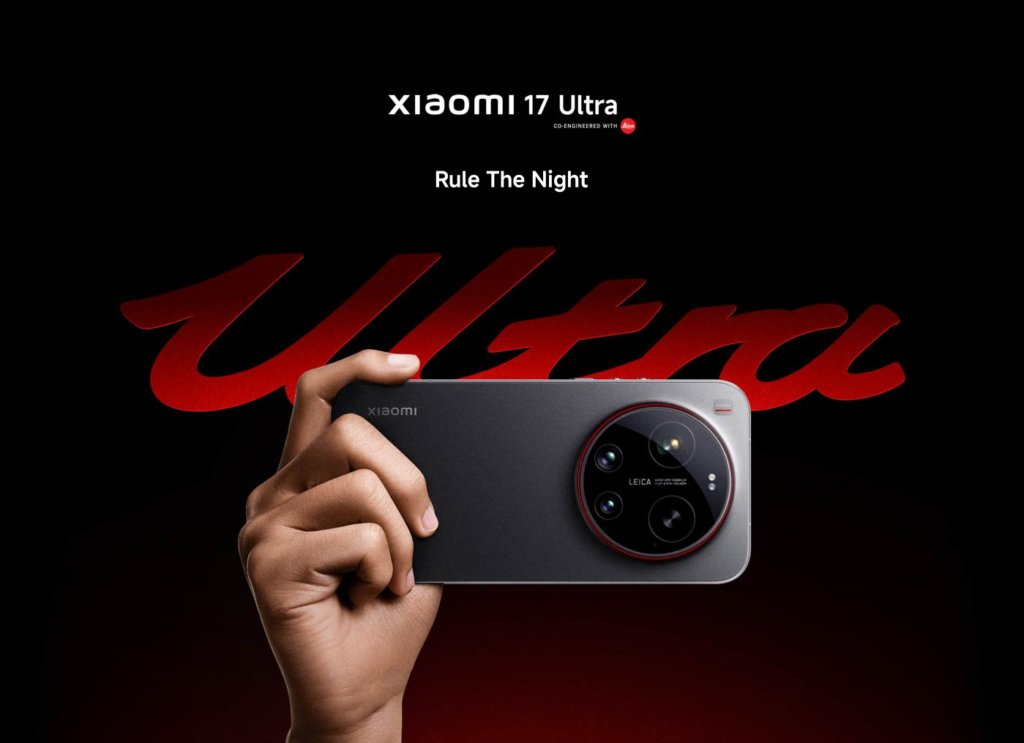
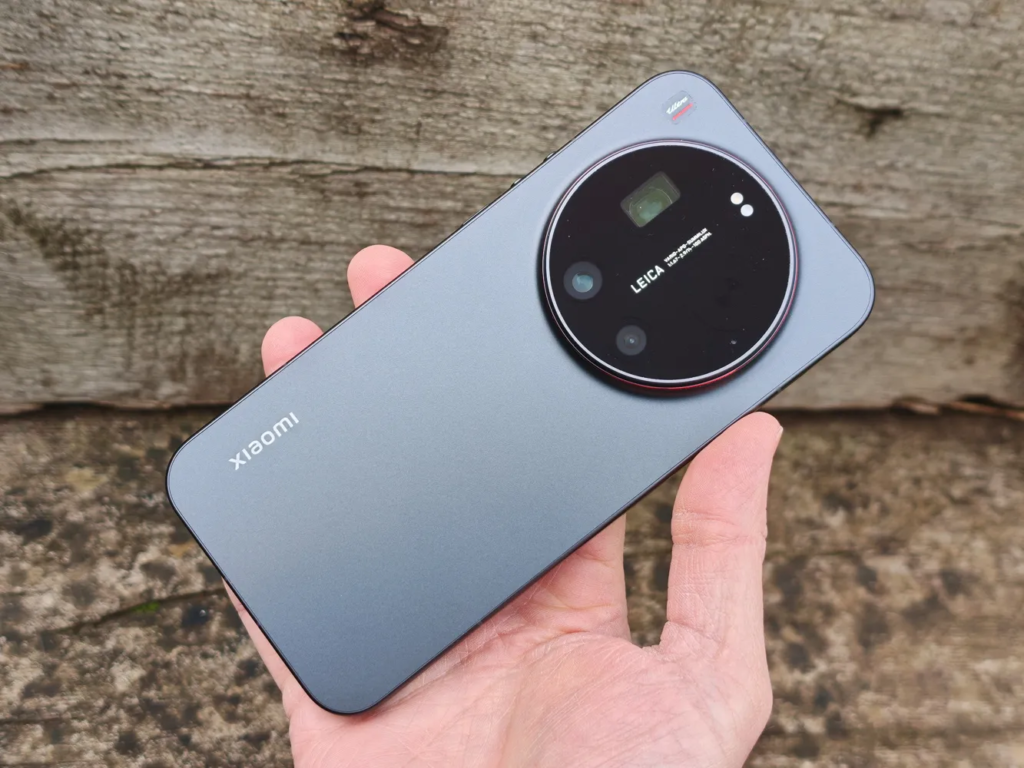
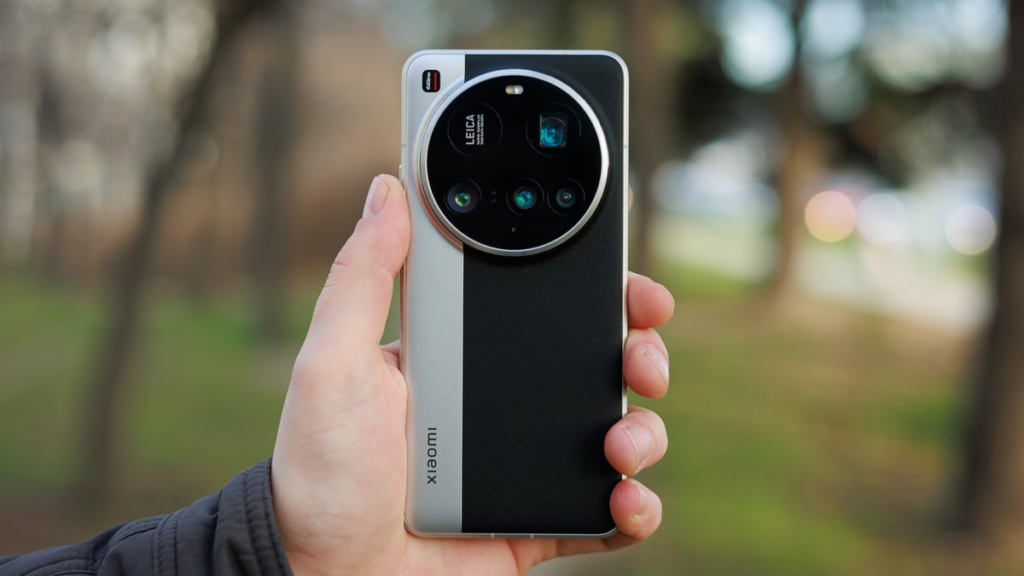
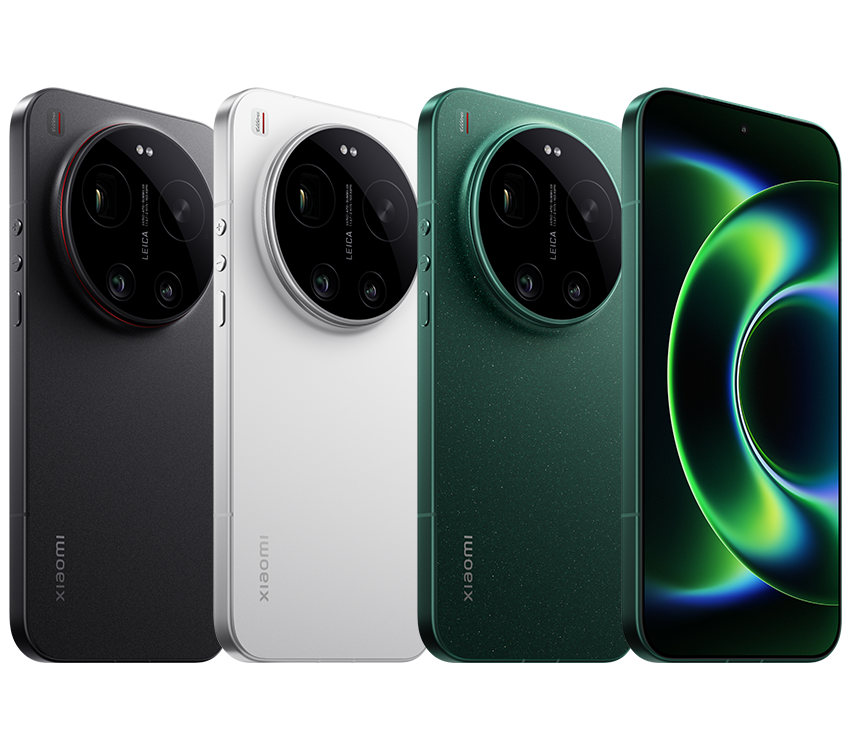
Although the Xiaomi 17 Ultra’s appearance and feel are similar to those of its predecessors, a few minor adjustments—most notably the switch to flat sides and a back—make it feel less like a camera and more like a typical phone. Additionally, the rear lacks vegan leather, and the camera module—which is still enormous—is not highlighted by a colored ring. Additionally, the colorways are more in line with broader market trends, and I really enjoy my Starlit Green model, which has a chic, sparkly finish without being corny.
By the way, last year’s model was the 15 Ultra since Xiaomi omitted the 16 in order to look more up to date and match the iPhone generation number.
At 8.4mm (more than 1mm thinner) and 218, it is likewise lighter and thinner than the 15 Ultra.4g (or 219g if you choose the green color option), as opposed to about 230g.
Additional minor adjustments include new round, distinct volume buttons. At first, I wasn’t sure about these, but I rapidly grew accustomed to them.
Screen & Speakers
- Flat 6.9-inch display
- Brighter but a lower resolution
- Awesome audio
Though there are some significant variations, the Xiaomi 17 Ultra’s screen is comparable to those of its predecessors.
Xiaomi has moved to a more conventional flat panel following two iterations of the “All Around Liquid Display.” This is unfortunate because I found the earlier models’ flat panel with curved glass on top to be the best of both worlds.
However, if you enjoy large, bold panels, the 17 Ultra’s screen is still remarkable. It is coated in the new Xiaomi Shield Glass 3.0 and is even bigger at 6.9 inches, with a max brightness of 3500 nits. Additionally, it maintains features like HDR10+ and Dolby Vision support, 12bit color depth, and a refresh rate of 1–120 Hz. The resolution has somewhat decreased to 2608 x 1200, but at 416 pixels, it’s still sharp enough for me. This can be a deal-breaker if you have to have a QHD+ screen.
In my opinion, the Xiaomi 17 Ultra is a good all-arounder. It’s not very noteworthy (it can’t match the S26 Ultra’s Privacy Display), but it works well, and its reduced resolution probably contributes to its exceptional battery life—more on that later. If you’re looking for something huge and bold, this is it. In other parts of this area, the ultrasonic fingerprint scanner performs admirably, and if you prefer, the face scanner is also functional (albeit it’s less secure).
Once again, stereo speakers are great; even at greater volume levels, they provide clear, crisp audio with a rich tone. Typically, one speaker is placed next to the USB port and the other uses the earpiece.
Specs & Performance
- Snapdragon 8 Elite Gen 5
- Up to 16GB/1TB
- Top-notch wireless
The 17 Ultra has some impressive specifications, as one might anticipate from a flagship phone that costs well over £1,000.
This begins with the Snapdragon 8 Elite Gen 5, Qualcomm’s newest flagship processor, which is supported by a substantial 16GB of RAM. You receive at least 512GB of storage, but if you’re willing to pay an additional £200, you can quadruple that amount to 1TB. In any case, you get fast UFS 4.1 storage once more, and I have no complaints about this phone’s performance. It manages everything with ease, and I haven’t discovered any chores that make it even slightly slower.
The phone sports an improved cooling system, the Xiaomi 3D Dual-Channel IceLoop system, in addition to those new parts. Despite the fancy name, the company has modified the vapour chamber to boost thermal conductivity by 50% over its predecessor, and it appears to be very effective.
Cameras
- One less camera on the rear
- Still impressive tech and performance
- Some minor quibbles
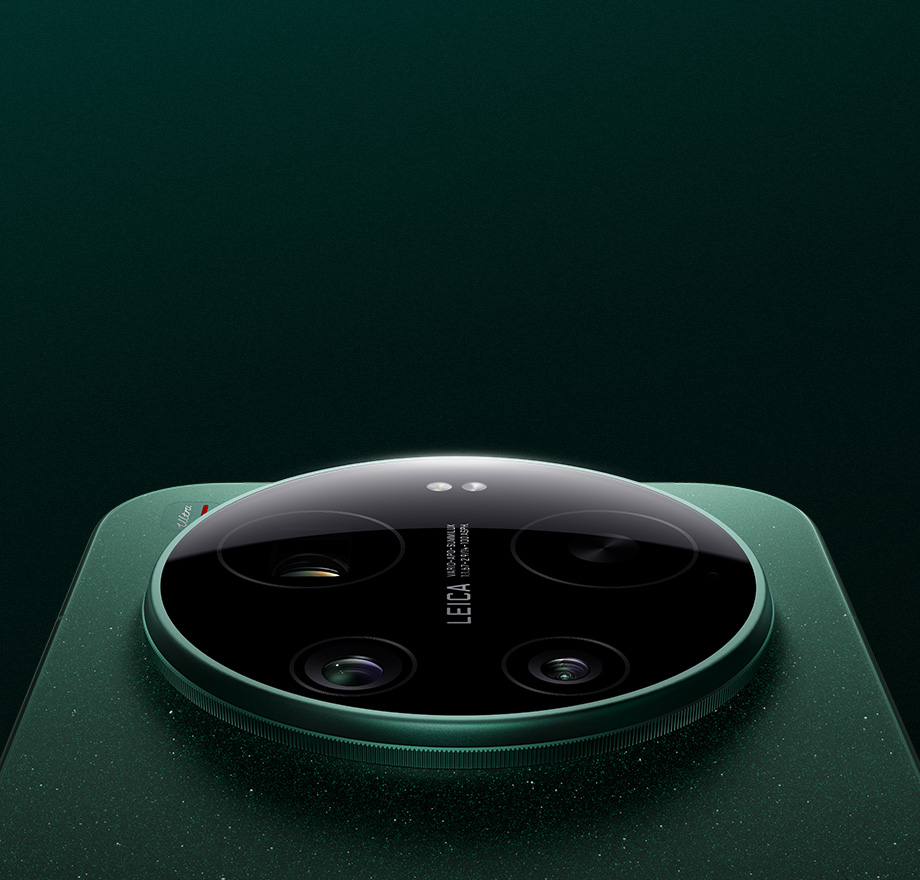
With just three cameras at the back instead of the four on the 15 Ultra, the 17 Ultra’s spec list may appear to be a downgrade from its predecessor. But it’s not as easy as more equals better.
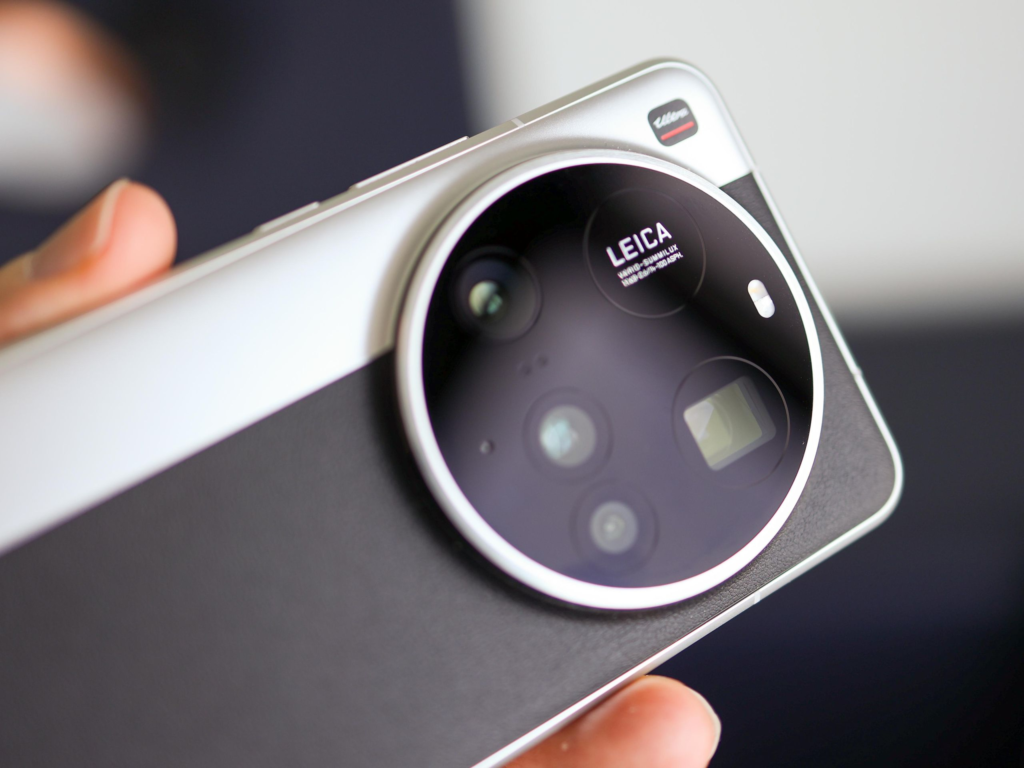
Xiaomi has altered how it manages the telephoto aspect of things this year. There is a new 200Mp (1/1.4-inch) periscope telephoto camera in addition to the 50Mp main and ultrawide cameras. This phone has a new mechanical optical zoom technology, but otherwise it has the same megapixel sensor. As you change the zoom level, a tiny set of lenses within move physically, just like a real zoom lens on a DSLR.
Instead of moving between two different telephoto cameras, you get more optical zoom on the same sensor. The big sensor allows you to crop without significantly sacrificing quality, however the range is restricted to 3.2-4.3x (or 75-100mm equivalent). You can tap the 8.6x (200mm) option on the app once more to increase it to 400mm.
Battery Life & Charging
- 6000mAh battery
- Comfortable two-day usage
- 90/50W wired and wireless speeds
It’s not surprising that the 17 Ultra is a solid performer when it comes to stamina and charging.
Xiaomi has increased the battery capacity to 6000mAh (at least when compared to the global 15 Ultra, which was 5410mAh), and in my testing, it lasted for 48+ hours of use with relative ease, often going further before I needed to charge. I’m not a big mobile gamer, though, so expect less if you’re going to be pulling the trigger on the regular.
A result of 21 hours and 27 minutes in our usual PCMark battery benchmark is one of the top results we’ve seen from a phone.
Software & Apps
- HyperOS 3 based on Android 16
- HyperIsland and HyperAI
- Improved software support
Another year, another OS version, therefore the 17 Ultra comes with Android 16 with HyperOS 3, Xiaomi’s most recent overlay.
After three iterations, HyperOS seems much more like its own thing and less like a straightforward rebranding of the previous MIUI. And I mean it positively. The user interface of HyperOS 3 is more smoother and more refined than that of MIUI. Maybe it’s because I’ve been testing Xiaomi phones for so long, but I also believe that anyone unfamiliar with the UI would be able to navigate it rather rapidly. HyperOS 3 offers what makes Android wonderful while drawing influence from a number of iOS features. You still get the quick settings panels and split notifications, which I really appreciate. Xiaomi has even included Apple’s Dynamic Island function into HyperIsland. When utilizing specific apps (I found it very helpful at the airport), this provides you with some information about the front-facing camera along with a shortcut to launch those apps. It’s a copy, yes, but I don’t mind.
Bloatware still exists, but it’s not nearly as awful as it once was, and overall, things are just cleaner. They are nicely hidden in a folder named “more apps,” which you can easily remove if you don’t want them, according to how I set up the phone.
Is the Xiaomi 17 Ultra worth purchasing?
I seem to prefer Xiaomi’s Ultra effort for various reasons every generation, but I’m glad the company isn’t just releasing the same product year after year like other competitors.
The 17 Ultra’s camera-style design with a vegan leather back has been replaced with a more recognizable phone-style design with flat edges and a fiberglass back. Like last year, I’d like to have both options available, but my Starlit Green model looks good and isn’t just orange like an iPhone.