

PROLED XDR vs. Mini-LED: Is the 2026 MacBook Pro Display Better?
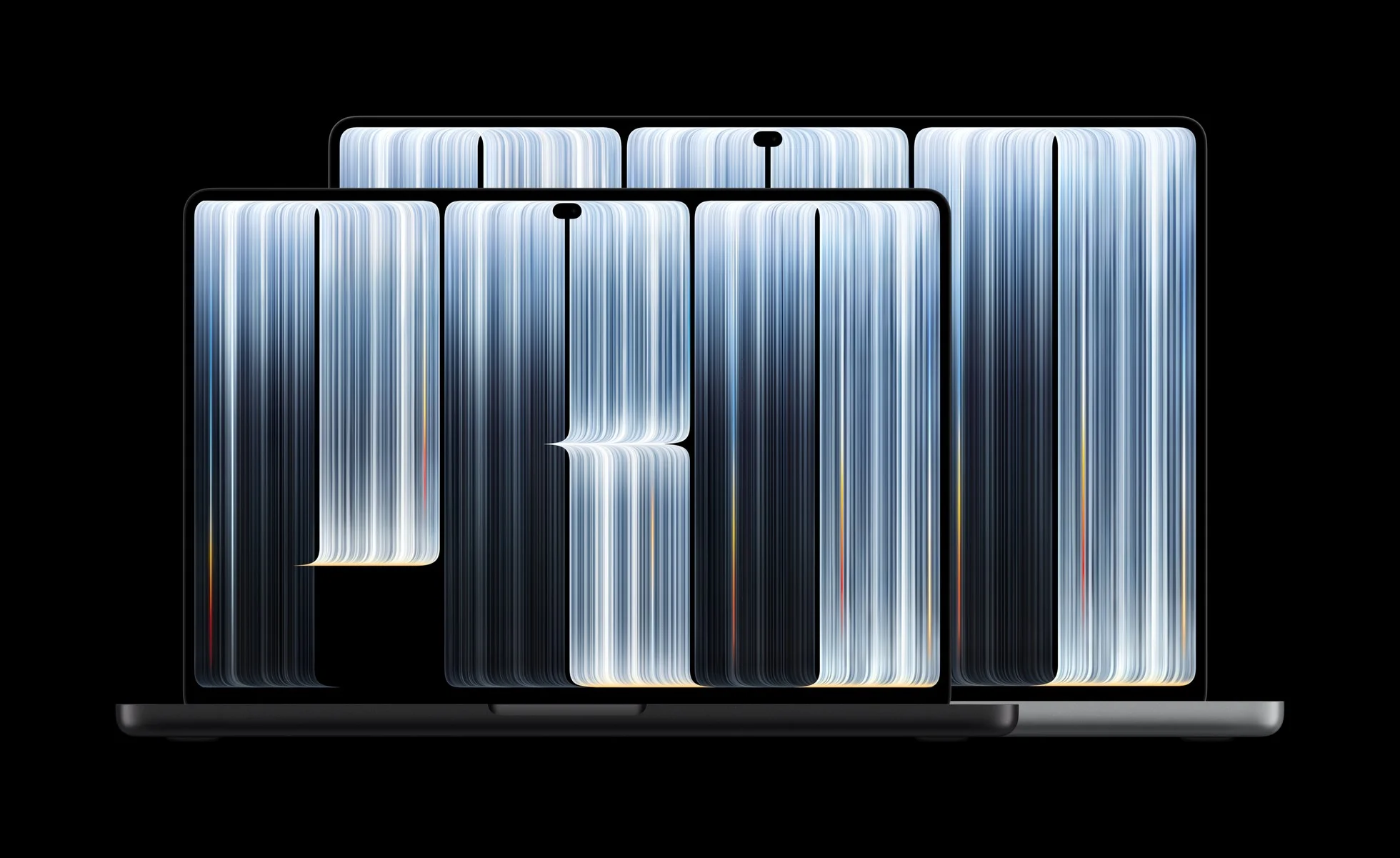
Apple finally did the unthinkable on October 28, 2026. After years of insisting that touchscreens belonged only on iPads, the company unveiled the MacBook Pro with PROLED XDR Display. This is not just a standard screen refresh: it marks the end of the mini-LED era for high-end Macs and the beginning of a tandem OLED future.
For professional colorists, photographers, and developers, this shift addresses long-standing complaints about blooming and haloing. With the new M5 Pro and M5 Max chips under the hood, the 2026 MacBook Pro aims to be the ultimate reference monitor that you can actually carry in a backpack.
The PROLED XDR Era: What Changed in 2026?
The new MacBook Pro, available in 14.1-inch and 16.1-inch sizes, introduces a thinner chassis weighing only 3 and 4 pounds respectively. While the exterior might look familiar at first glance, the return of the glowing Apple logo on the back signals a nostalgic yet modern design shift.
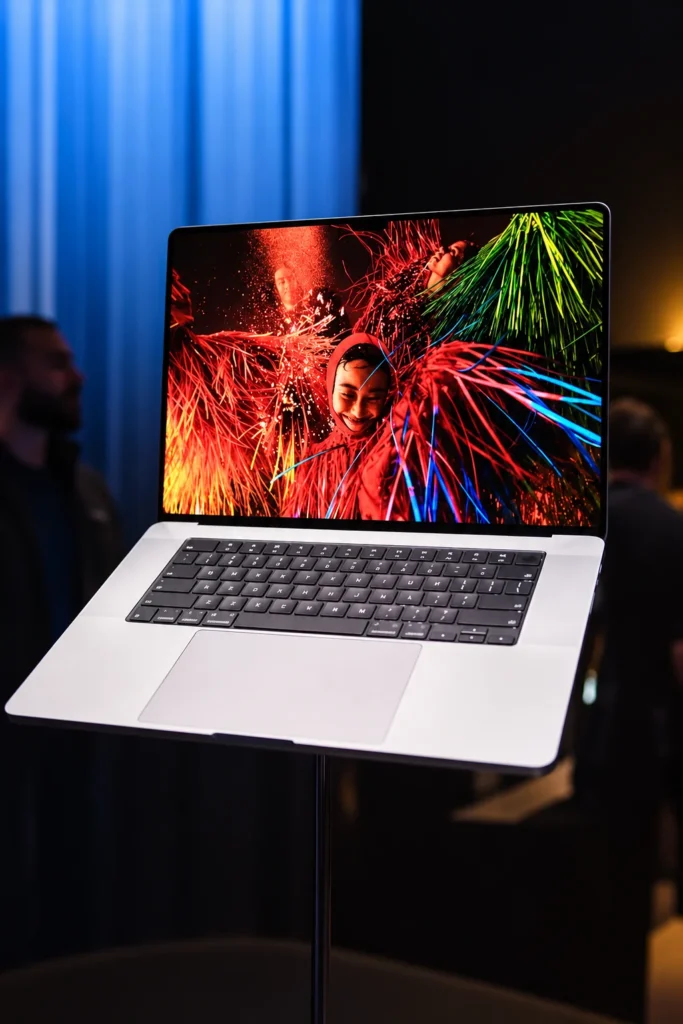
Internally, the hardware is centered around the PROLED XDR panel. Unlike the previous Liquid Retina XDR displays that relied on thousands of tiny backlights, PROLED uses two layers of light-emitting diodes stacked on top of each other. This tandem OLED design allows for much higher brightness than traditional single-layer OLEDs while doubling the expected lifespan of the pixels.
Tandem OLED vs. Mini-LED: The Technical Shift
To understand why this matters, we have to look at how mini-LED failed in dark environments. In previous models, bright objects on a black background (like a star field or white text) would create a faint “halo” because the local dimming zones were larger than individual pixels.
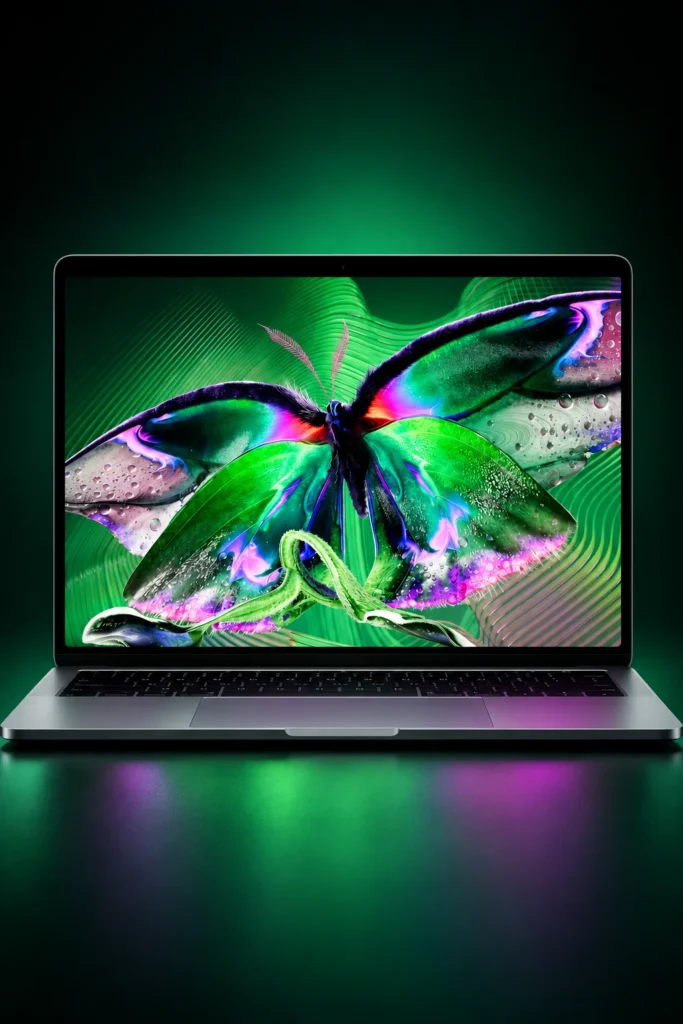
PROLED XDR solves this by making every single pixel its own light source. When a pixel needs to be black, it turns off completely. This results in a staggering 10,000,000:1 contrast ratio.
| Feature | Liquid Retina XDR (Mini-LED) | PROLED XDR (Tandem OLED) |
|---|---|---|
| Contrast Ratio | 1,000,000:1 | 10,000,000:1 |
| Peak SDR Brightness | 600-1000 nits | Up to 2000 nits |
| Dimming Zones | ~2,500 zones | Over 8 million (per pixel) |
| Response Time | Slower (ghosting possible) | Sub-millisecond (instant) |
| Interaction | Mouse and Keyboard only | Touch, Mouse, and Keyboard |
Peak Performance: 2000 Nits and Contrast Ratios
One of the most impressive stats from the October 28 announcement is the jump to 2000 nits of peak brightness for both HDR and SDR content. This is a massive win for creators working outdoors. Previously, SDR brightness was often capped much lower, making it difficult to see standard UI elements in direct sunlight.
Apple achieves this through a full oxide transistor layer that manages current more efficiently across the panel. The M5 display engine also plays a critical role, using advanced algorithms to monitor temperature and pixel usage in real-time. This ensures that the screen remains uniform even as it heats up during heavy rendering sessions.
The Touch Revolution on macOS 27
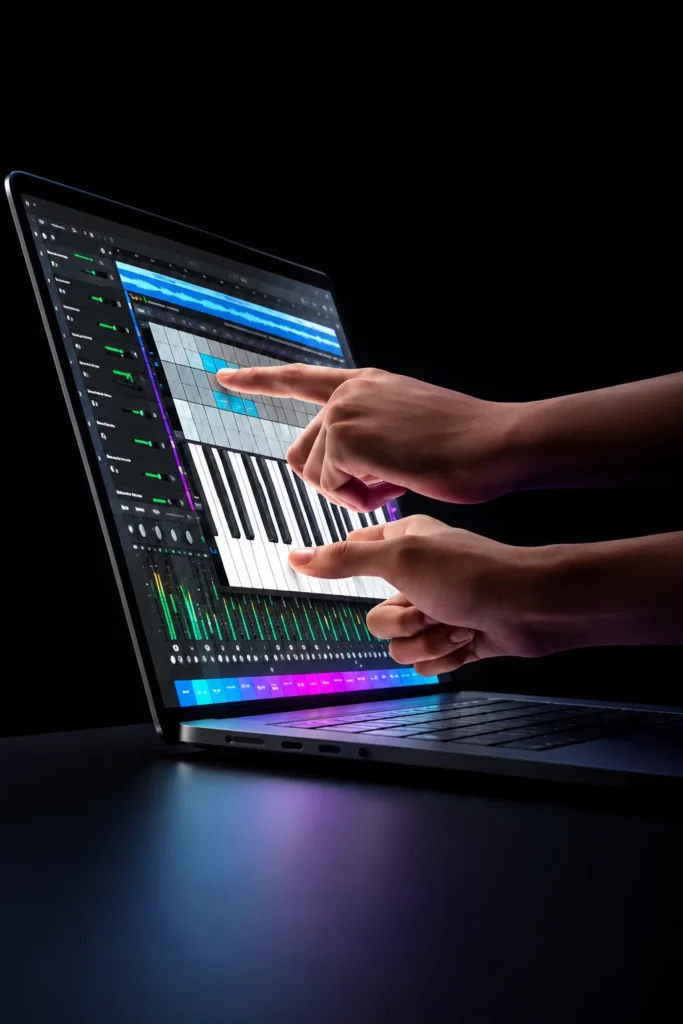
For the first time, touch has come to the Mac. macOS 27 has been optimized with larger hit targets and new gestures specifically for the MacBook Pro. Users can now pinch to zoom in Final Cut Pro, manipulate 3D models in Logic Pro, or use the screen as a musical instrument.

To manage the logistics of a touchscreen, Apple has introduced the Dynamic Island to the Mac. This serves as a central hub for Siri AI, Spotlight searches, and Live Activities. For those worried about fingerprints, the optional Nano-Texture Glass (available for an extra Rs 18,000 in India) offers a matte finish that resists smudges while maintaining touch sensitivity.
Also Read : Nothing Phone 4a Gets Over ₹7,000 Discount on Amazon Ahead of Great Indian Festival Sale
Pricing and Configuration: The M5 Pro and M5 Max Factor
This technology comes at a steep price. In India, the base 14-inch model with the M5 Pro chip starts at Rs 3,49,900. If you want to max out the specs with 128GB of RAM, a 16TB SSD, and the M5 Max chip, the price climbs to a breathtaking Rs 17,19,900.
Availability begins on Friday, November 6, 2026. While the M6 chip exists in non-touch models, Apple has reserved the PROLED XDR display exclusively for the M5 Pro and M5 Max variants. This is likely due to the specialized display engine required to drive the tandem OLED layers without draining the battery, which Apple claims will last up to 24 hours.
Longevity and the Burn-in Question
Static elements like the macOS menu bar or the dock have always been the enemies of OLED. However, Apple’s tandem approach significantly reduces the risk of burn-in. By splitting the brightness load between two organic layers, neither layer has to be driven to its absolute limit.
Furthermore, the M5 chip’s display engine tracks the age of every individual pixel. It subtly adjusts the voltage over time to compensate for degradation, ensuring that the screen remains color-accurate for years. Apple has designed this panel for professional workflows where a machine might stay on for 12 to 16 hours a day.
Frequently Asked Questions
Q.What is PROLED XDR?
PROLED XDR is Apple’s brand name for its tandem OLED display technology used in the 2026 MacBook Pro. It features two stacked OLED layers for higher brightness and longer life.
Q.Does the 2026 MacBook Pro have a touchscreen?
Yes, for the first time, Apple has added touch capabilities to the MacBook Pro, supported by macOS 27 and a new display engine in the M5 chips.
Q.When is the MacBook Pro PROLED XDR release date?
Pre-orders began on October 28, 2026, with general availability starting on Friday, November 6, 2026.
Q.How much does the new MacBook Pro cost in India?
The price starts at Rs 3,49,900 and can go up to Rs 17,19,900 for the fully loaded 16-inch model with 16TB of storage.
Q.Does the Apple logo glow on the 2026 models?
Yes, Apple has brought back the iconic glowing Apple logo on the back of the 14-inch and 16-inch PROLED XDR models.

Tecgadg is your go-to destination for the latest Technology news, Smartphone updates, Entertainment, Gadget reviews, AI tools, and Useful apps. We deliver easy-to-understand guides, trending updates, and helpful insights to keep you informed in the fast-changing digital world.